We all know that members of royal families have to follow certain rules, which are well-established and traditionally observed. Even though they might seem the same to us at first glance, there are fundamental differences in the protocols of the various European royal houses.
It’s not just about how they dress, the things that the women can only use if they are married, the precautions taken for their official trips, the approved conversation topics at meetings or the games that the children can participate in. To not leave you wondering what exactly this might mean, below we’ll fill you in on some of the rules that govern their everyday behavior and exceptional circumstances, and what sets them apart from other royal families.
The Danish royal family announces the names of its new members at the christening ceremony
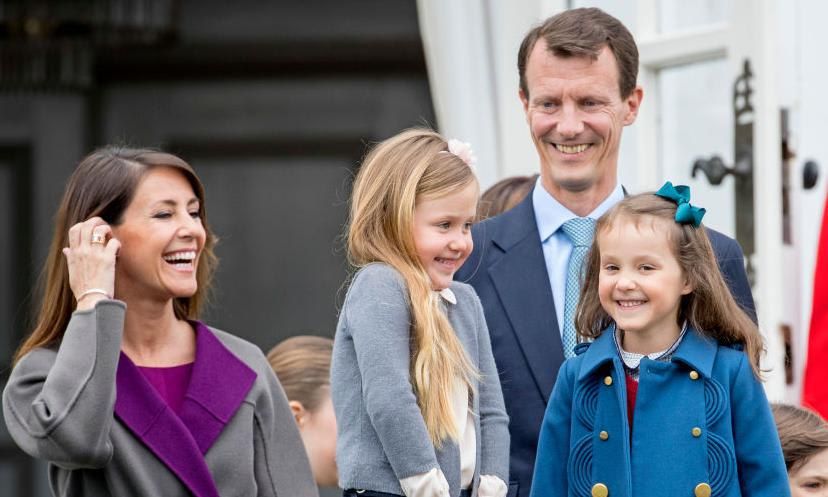
Since 1513, the Danish royal family has switched back and forth between the names Christian and Frederick for new male members of the family, although this tradition has been ignored on occasion. There is also another tradition linked to receiving a new family member: they announce the baby’s name during the baptism. This happened, for example, in 2012 with Athena Marguerite Françoise Marie , daughter of Prince Joachim of Denmark and Princess Marie of Denmark, and before that in 2005, when months went by without knowing what Prince Frederick X and his wife, Mary Donaldson, were going to call their first-born son. We know him today as Prince Christian.
 © GettyImages
Greek royalty retains the status of “His/Her Royal Highness”
Even though the monarchy was abolished in 1974 to make way for the Republic, members of the Greek royal house still enjoy the status of “His/Her Royal Highness.” In fact, protocol dictates that anyone who marries into the family will also receive this royal title.
 © GettyImages
The women of the Japanese royal family lose their status if they marry commoners
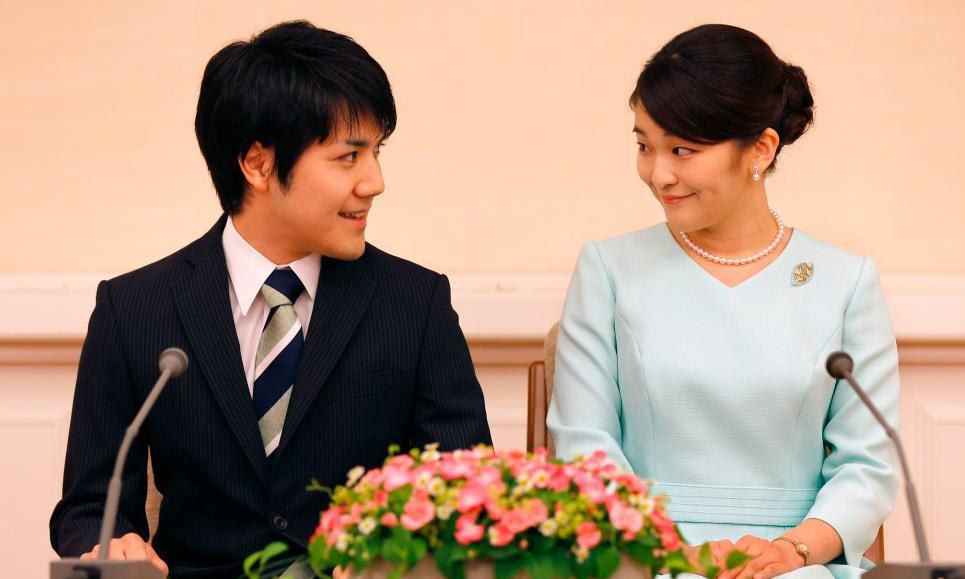
Princess Mako, daughter of Crown Prince Akishimo and granddaughter of Emperor Akihito, will lose her royal status when she marries Kei Komuro, a commoner with whom she got engaged in 2017, according to the Law of the Imperial House. “Given that situation, I tried to assist the emperor and do whatever I could do to fulfill my role as a member of the imperial household, while also valuing my own life,” she said during a press conference.
 © GettyImages
You can only shake hands with members of the British royal family if they extend their hand first
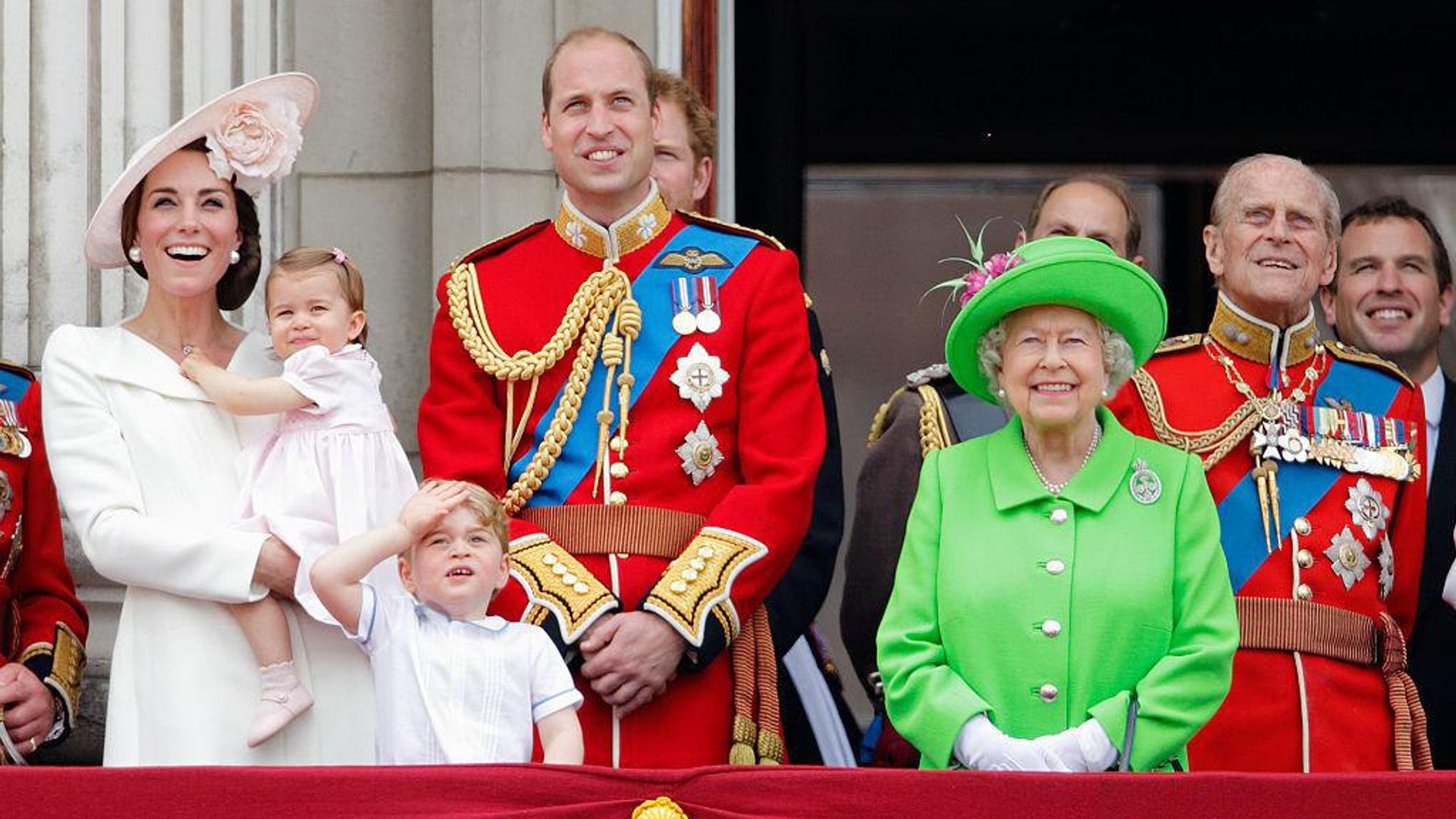
No kisses, no hugs. Physical contact with British royalty is frowned upon unless they extend their hand first, and even then, it should be very brief. The respectful greetings directed at Queen Elizabeth are also part of the rules of the English crown, extending even to members of her family, from her husband, Prince Philip to princes and princesses from the age of five onward, such as the young Prince George .
 © GettyImages
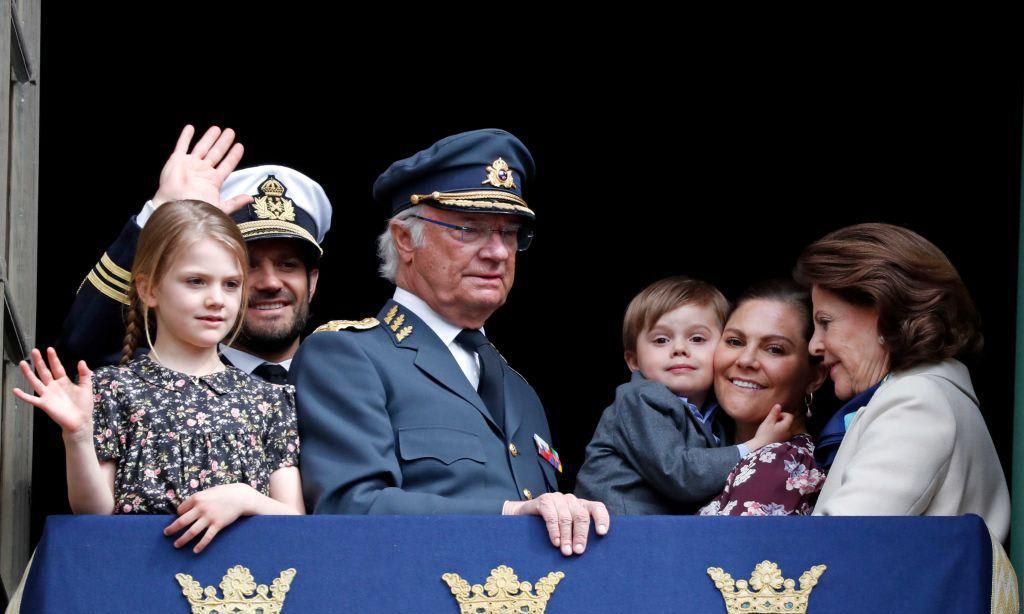
Only the children of the heir of Sweden’s King will have the title “His/Her Royal Highness”
In October 2019, it was announced that all the grandchildren of King Carl XVI Gustaf and Queen Silvia of Sweden, with the exception of the children of their eldest daughter, would lose their official titles, although they would continue to be members of the royal family. According to the declaration from the royal palace, this change in protocol would serve to “establish which members of the royal family can carry out official Head of State duties or those related to the function of Head of State.”
 © GettyImages
In the Netherlands, there is no coronation
King Willem-Alexander of the Netherlands became the ruling monarch the moment his mother signed the abdication document, but there was no coronation ceremony (which usually has a quite religious connotation). Instead, a more secular inauguration was held. For this reason, during the formal inauguration ceremony, the crown, orb and scepter were just displayed on a table.
Many traditions in royal families have remained the same over time but others have been updated (especially in recent decades) as society evolves in order to adapt to the times.
 © GettyImages